
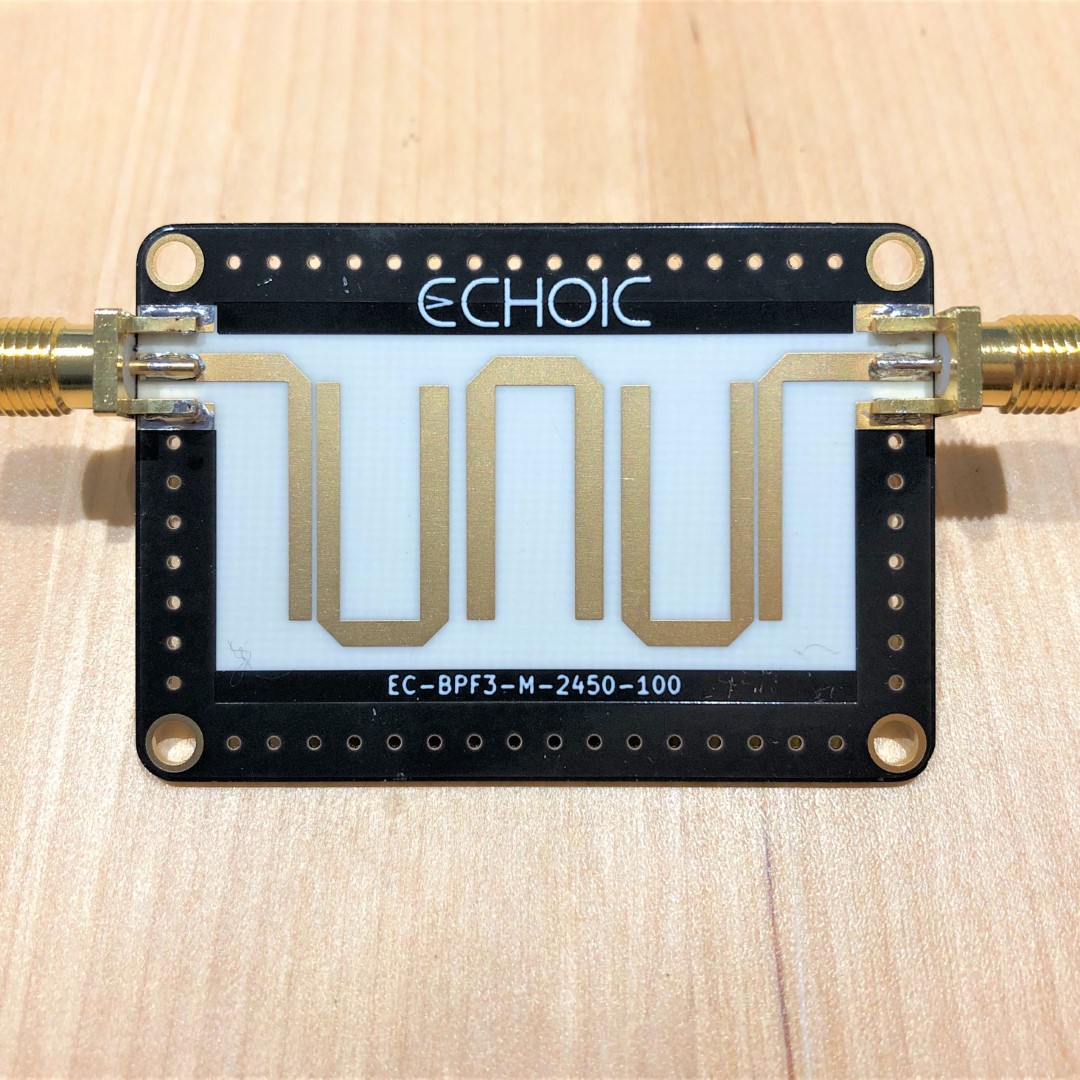
Passive RF and microwave component design plays a pivotal role in modern communication and electronic systems, enabling the seamless transmission and reception of high-frequency signals. These components, such as power dividers, filters, and couplers, are the unsung heroes that underpin the efficiency, reliability, and performance of wireless technologies. Power dividers, for instance, are essential for splitting or combining RF signals, distributing power accurately among various circuit branches. They ensure that signals maintain their integrity and strength, enabling smooth communication between different parts of a system. Filters, on the other hand, act as gatekeepers for signals, allowing only specific frequencies to pass through while attenuating unwanted noise and interference. This selective behavior enhances signal quality and minimizes disruptions, making filters indispensable for maintaining a clear and reliable communication channel.

Couplers are instrumental in tapping or coupling off a portion of an RF signal for measurement, monitoring, or redistribution. They provide a controlled means of diverting signal strength without significant loss, facilitating accurate diagnostics and signal analysis. These components enable engineers to gain insights into system behavior and troubleshoot issues effectively.
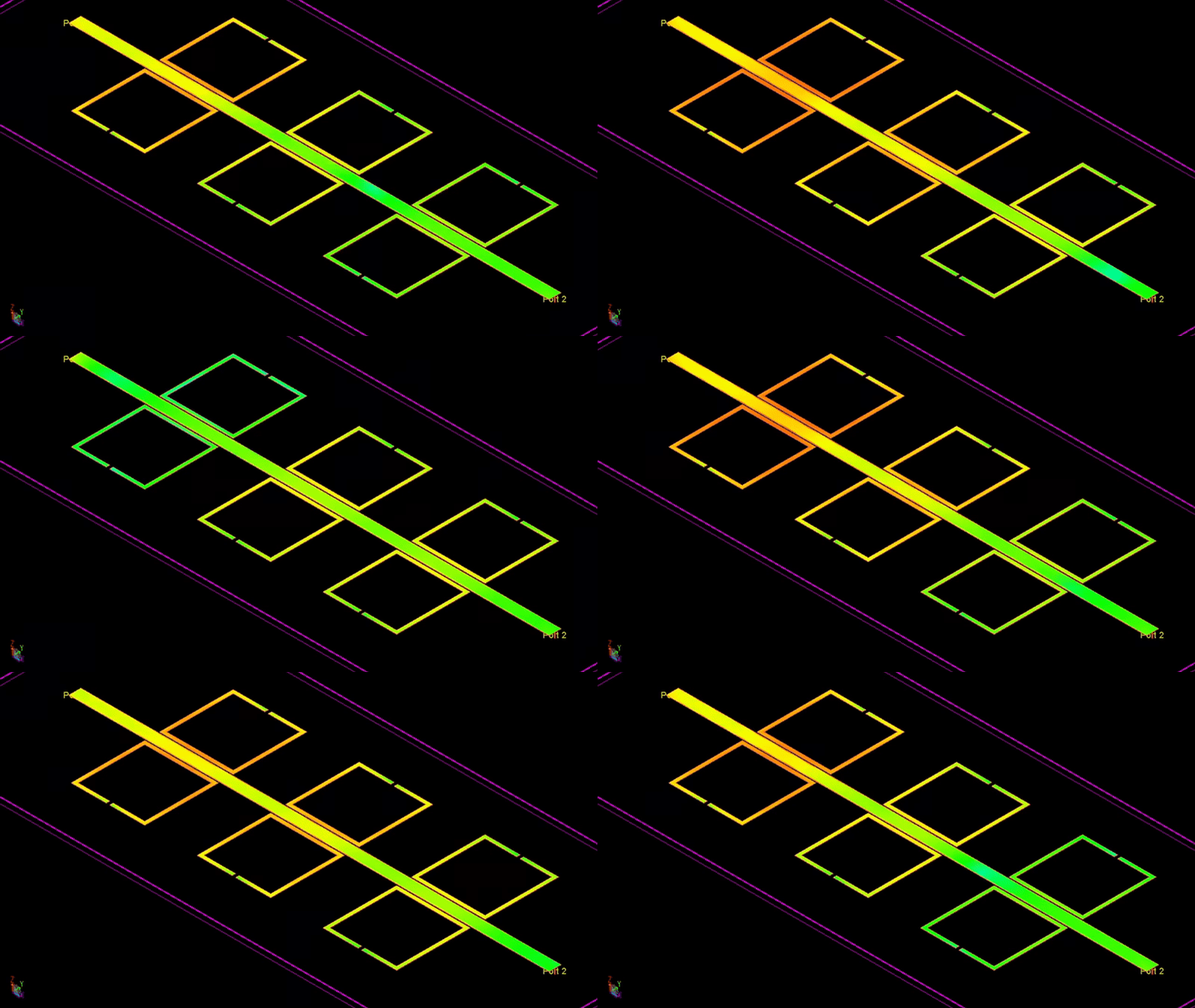
In the world of wireless technology, where efficient spectrum utilization is paramount, passive RF and microwave components contribute to optimizing signal paths, reducing signal loss, and maximizing the overall system performance. Their precise design and careful integration ensure minimal distortion and efficient energy usage, resulting in enhanced data rates, extended coverage, and improved signal-to-noise ratios. As the demand for faster and more reliable wireless communication continues to grow, the importance of well-designed passive RF and microwave components remains paramount, driving advancements in telecommunications, IoT, radar systems, and beyond.